

square silver mirrors
Understanding Snap Gauge Types A Comprehensive Guide Snap gauges, also known as snap gages or snap gauges, are essential precision measuring tools widely used in manufacturing and engineering sectors. These tools are specifically designed to measure the dimensions of an object, predominantly its external or internal features, such as diameter, width, height, and thickness. Understanding the different types of snap gauges is crucial for anyone involved in quality control, machining, or assembly processes. 1. Types of Snap Gauges There are several types of snap gauges, each tailored for specific measurement requirements - External Snap Gauges These are commonly used to measure the external dimensions of a component. They consist of two arms that snap around the object, providing a quick and accurate reading. External snap gauges are excellent for checking features like outer diameters and widths in production lines, where time and precision are paramount. - Internal Snap Gauges Unlike external snap gauges, internal snap gauges are designed to measure the internal dimensions of holes or bores. They feature a pair of arms that expand inward, allowing measurement of internal features like diameters and depths. Internal snap gauges are crucial in applications where the internal geometry of a part needs verification. - Gap Gauges These tools are specific snap gauges used for measuring the gaps or spaces between two components. They are particularly useful in industries where clearance is critical, such as automotive or aerospace. - Multi-Function Snap Gauges As the name suggests, these gauges can perform multiple measurement tasks, making them versatile tools in various applications. They often combine features to measure both internal and external dimensions, reducing the need for multiple tools. 2. Material and Design snap gauge types Snap gauges come in various materials, including steel, stainless steel, and specialized alloys, depending on their intended use. The design of snap gauges typically incorporates a handle for easy operation and a measurement scale for direct reading. More advanced digital snap gauges have been developed, offering electronic readouts and enhanced functionality, thus improving the accuracy and convenience of measurements. 3. Calibration and Accuracy Accuracy is a crucial aspect of snap gauges. Manufacturers must calibrate these tools regularly to maintain their precision. Calibration involves adjusting the gauge against a known standard to ensure that measurements remain consistent and reliable. Regular maintenance and calibration minimize measurement errors and enhance the overall quality of the measured components. 4. Applications of Snap Gauges Snap gauges are ubiquitous in manufacturing environments, particularly in quality control processes. They are commonly employed in industries such as automotive, aerospace, electronics, and metalworking. Their primary role is to ensure that components meet specified dimensions, thereby reducing waste and ensuring product reliability. In addition to manufacturing, snap gauges find applications in research and development. Engineers and scientists use them to measure prototypes and experimental designs, ensuring that their experiments yield accurate and reproducible results. 5. Conclusion In conclusion, snap gauges play a vital role in precision measurement across various industries. Understanding the different types—external, internal, gap, and multi-function snap gauges—equips professionals with the knowledge necessary to select the right tool for specific measurement tasks. Regular calibration and maintenance are essential for ensuring measurement accuracy. Overall, snap gauges are indispensable in maintaining quality standards and enhancing manufacturing processes, making them a critical component in the pursuit of technical excellence.
about
square silver mirrors
Understanding Level Supplier Relationships in Supply Chain Management In today's dynamic business environment, the concept of level suppliers has gained significant traction within supply chain management. Level suppliers refer to the different tiers of suppliers that contribute to the production and delivery of a product or service. Understanding the structure and dynamics of these relationships is crucial for companies seeking to optimize their supply chains and improve overall operational efficiency. The Importance of Level Suppliers At the core of supply chain dynamics lies a network of suppliers that can be categorized into various levels. Level 1 suppliers are typically direct suppliers, providing raw materials or components directly to manufacturers. Level 2 suppliers, on the other hand, supply products or services to Level 1 suppliers. This hierarchy continues with Level 3 suppliers and beyond, forming a multi-tier supply chain. The significance of understanding these levels cannot be overstated. Each tier plays a vital role in delivering the final product to consumers. By analyzing the entire supplier hierarchy, organizations can identify potential risks, manage costs, and maintain quality control throughout the supply chain. This holistic view allows businesses to anticipate disruptions and implement strategic measures to mitigate them, ensuring greater resilience in the face of uncertainty. Building Strong Relationships Establishing solid relationships with level suppliers is an essential strategy for sustainable growth. Communication, collaboration, and trust are paramount in creating a robust supplier network . Companies must engage with their suppliers regularly to understand their capabilities, challenges, and contributions to the overall supply chain. Moreover, collaboration with Level 2 and Level 3 suppliers can foster innovation and efficiency. For instance, manufacturers can work closely with their suppliers to co-develop new technologies or materials that can enhance product quality or reduce costs. By involving suppliers in the product development process, businesses can leverage the expertise of their partners while building a sense of loyalty and commitment. level supplier Risk Management and Supply Chain Resilience The interconnectedness of level suppliers introduces multiple layers of risk within the supply chain. Natural disasters, geopolitical tensions, economic fluctuations, and other unforeseen events can disrupt operations at various levels. As such, companies must adopt a proactive approach to risk management. Diversifying the supplier base is one effective strategy to mitigate risks. By engaging multiple suppliers at different levels, businesses can ensure a steady supply of materials and components, even if one supplier faces challenges. Additionally, implementing technology solutions like supply chain visibility tools can help organizations monitor and assess the health of their supply chain, enabling them to react swiftly to potential disruptions. Cost Efficiency and Sustainability Level supplier management also presents opportunities for cost efficiency. By analyzing the performance and capabilities of suppliers across different levels, businesses can negotiate better terms, reduce lead times, and optimize inventory management. This approach not only lowers costs but also enhances the overall agility of the supply chain. Moreover, sustainability is becoming an increasingly important consideration in supplier relationships. Companies are now looking to partner with suppliers who adhere to sustainable practices, such as responsible sourcing and eco-friendly manufacturing processes. Incorporating sustainability into supplier selection criteria not only benefits the environment but also improves brand reputation and appeal to increasingly conscious consumers. Conclusion In conclusion, the concept of level suppliers is integral to effective supply chain management. By understanding the layers of supplier relationships, building strong partnerships, managing risks, and pursuing cost efficiencies and sustainability, organizations can enhance their supply chain performance. Companies that prioritize these aspects will be better positioned to navigate the complexities of modern supply chains, ensuring long-term success in an ever-evolving marketplace. Embracing level supplier strategies is not just a tactical choice; it is a fundamental element of a resilient and forward-thinking business approach.
-

High quality industrial productsagement

High quality industrial products
View Details -

Meet the diverse needs of customers

Meet the diverse needs of customers
View Details -

Strict quality control

Strict quality control
View Details -

Top raw materials

Top raw materials
View Details -

Trusted supplier

Trusted supplier
View Details
Our application


news and information
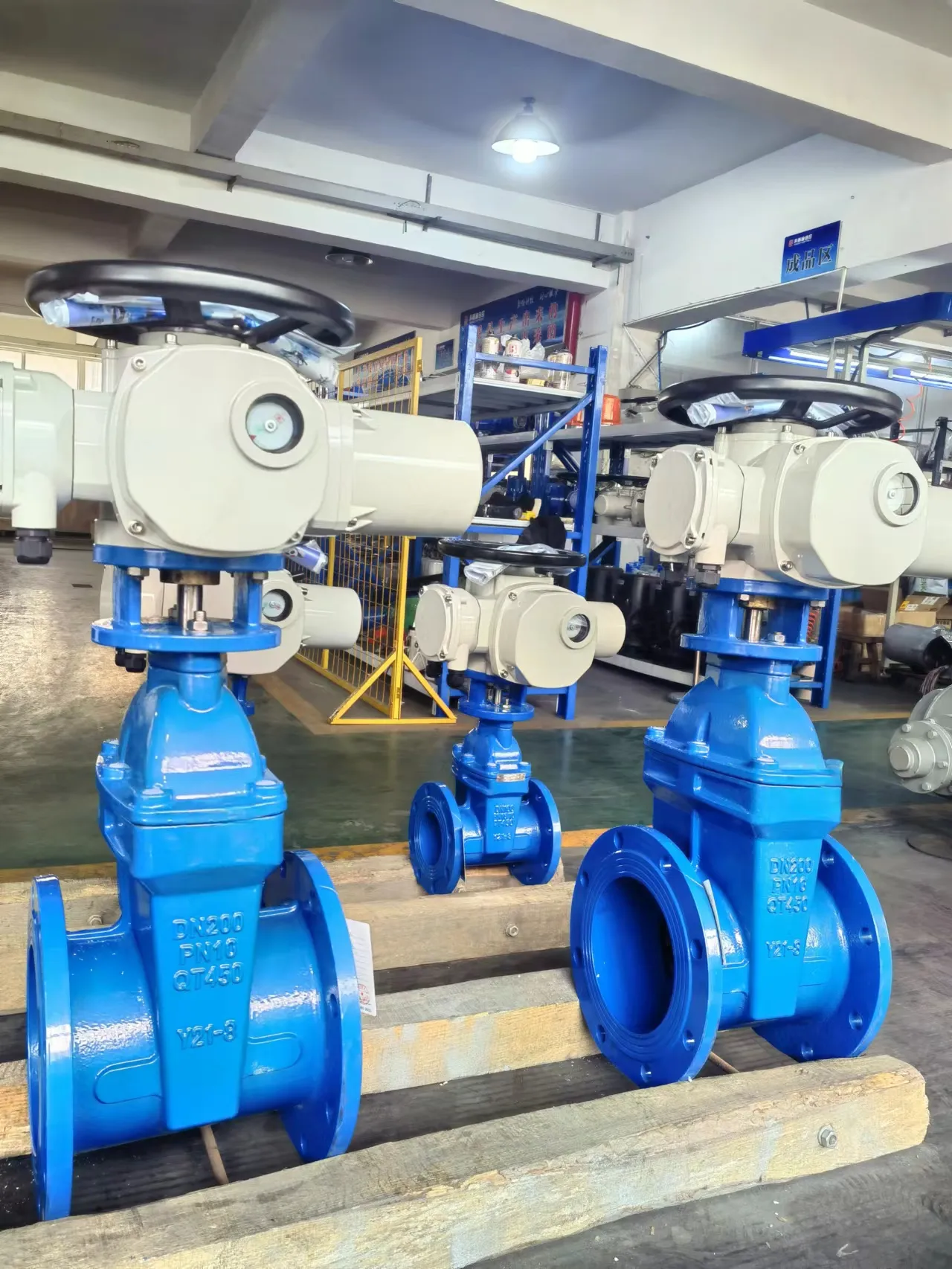
valve ng liquid transfer check
Liquid Transfer Check Valve Isang Mahalagang Komponent sa Fluid Handling Systems Sa mundo ng industr

Water Valve Emergency Shutoff Procedure for Residential Systems
water valve shut off .
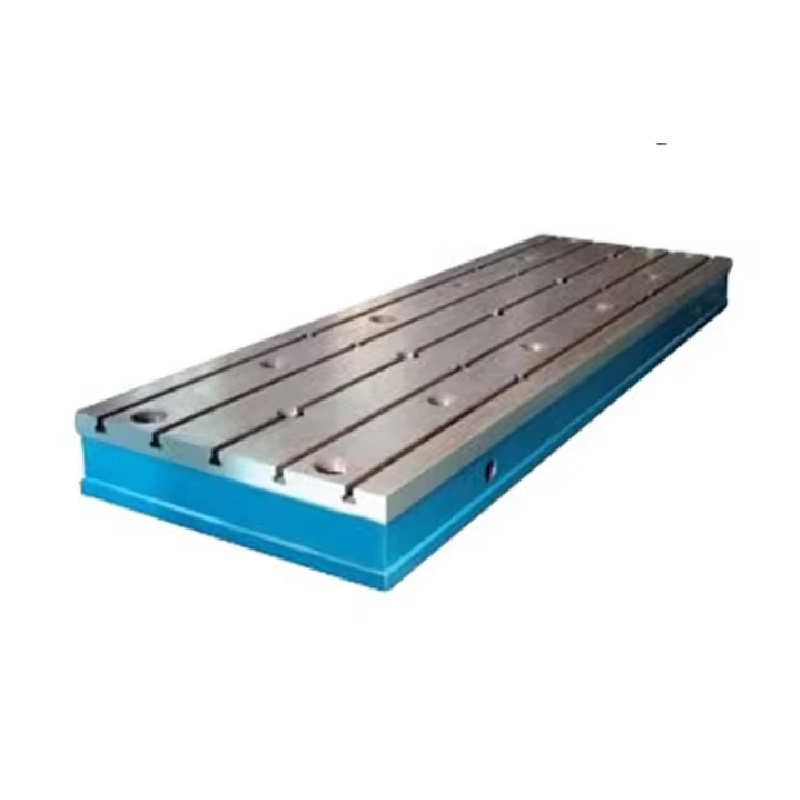
Wasserdrückregelventil - Effiziente Steuerung für Ihre Wasserversorgung
Druckregelventile für Wasseranwendungen Druckregelventile spielen eine entscheidende Rolle in der Wa
 English